





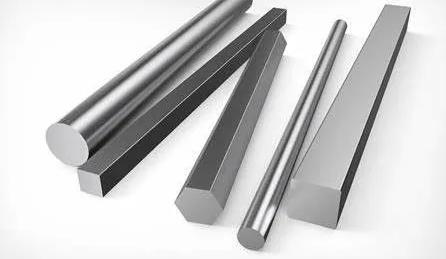

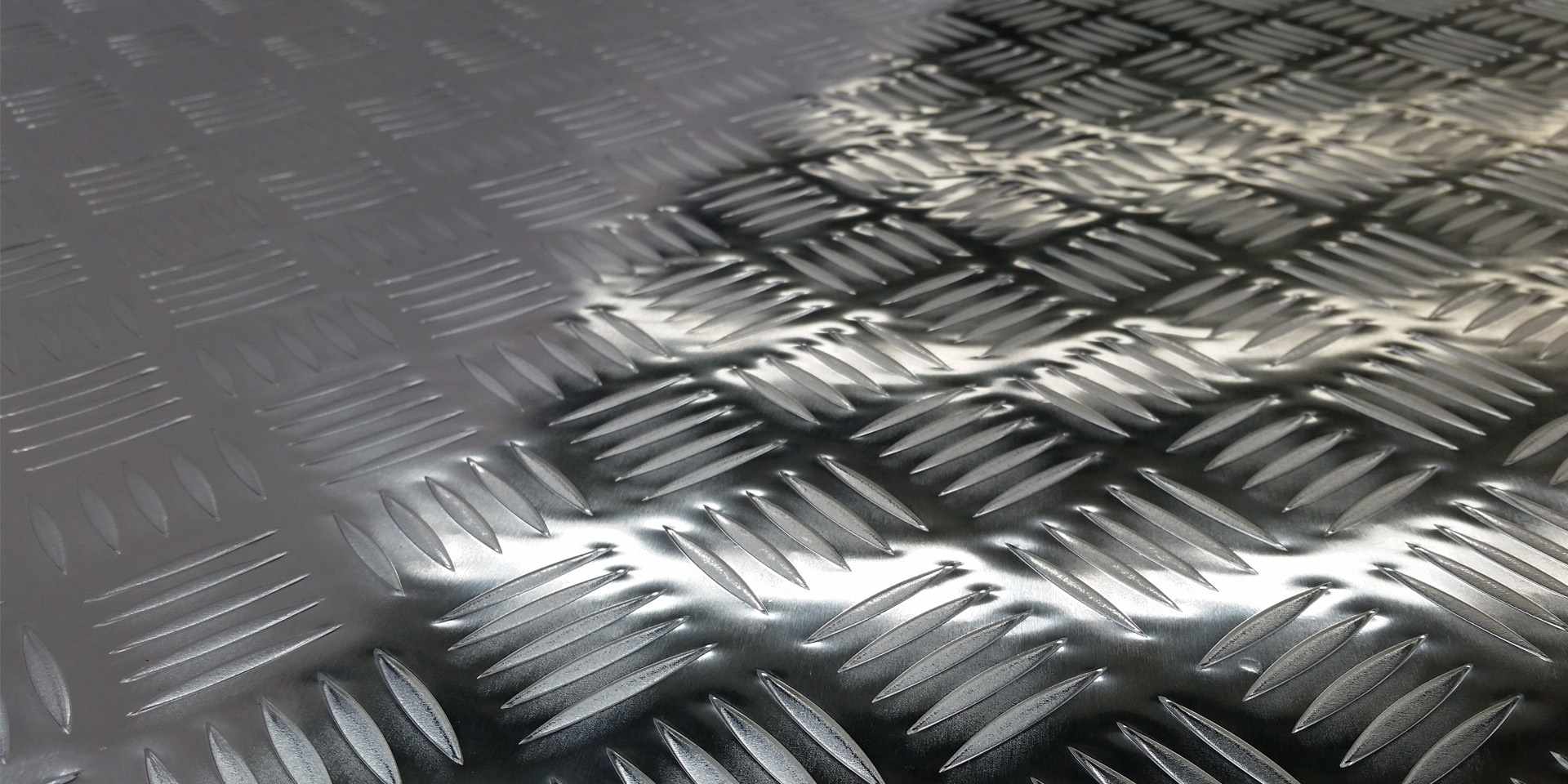

Automotive Aluminum Plate
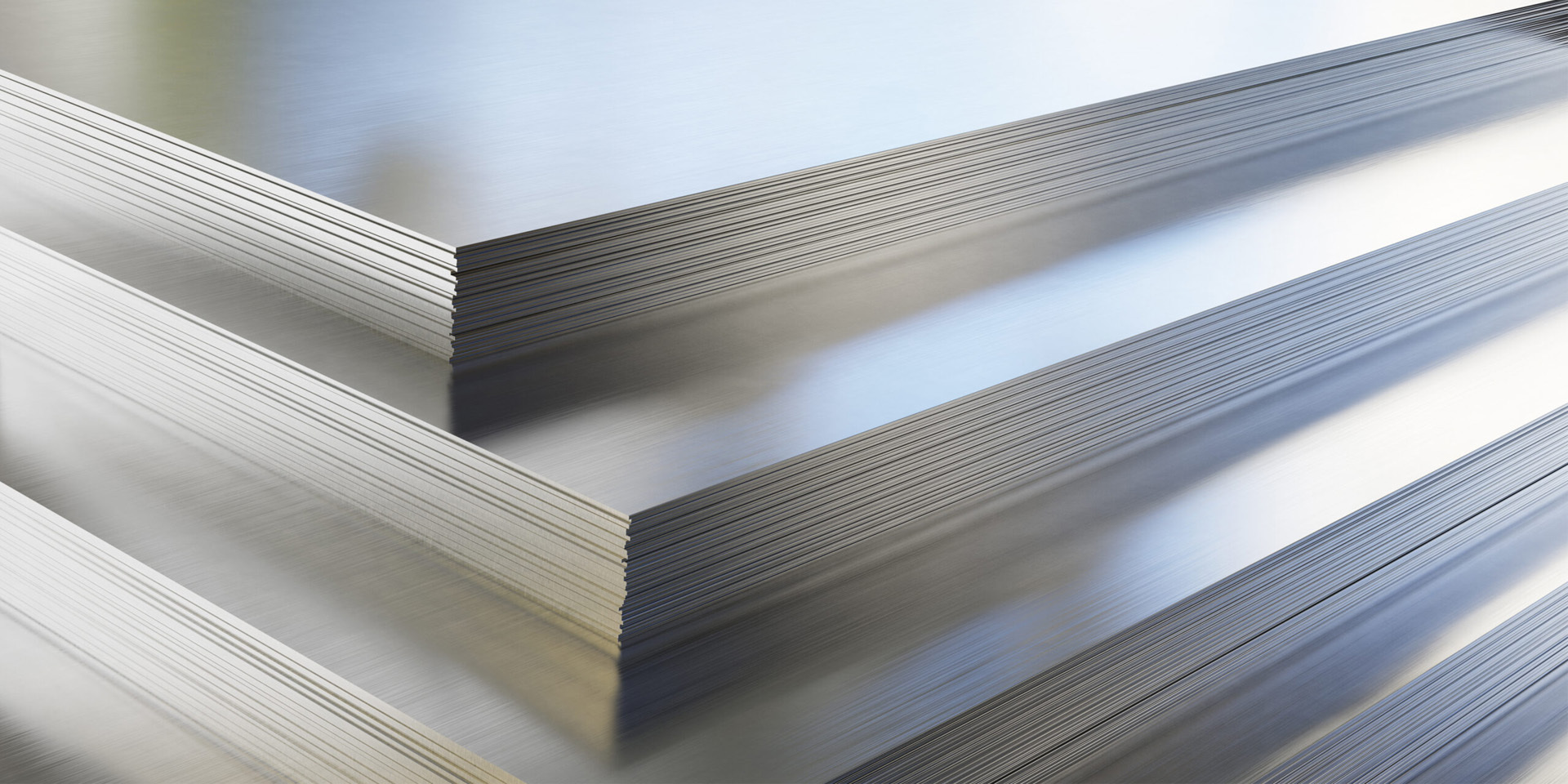
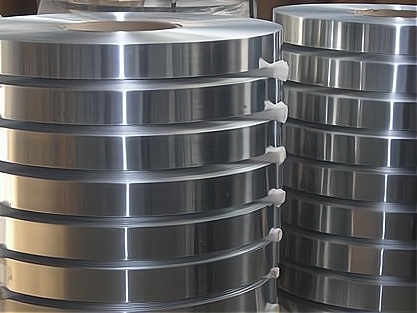
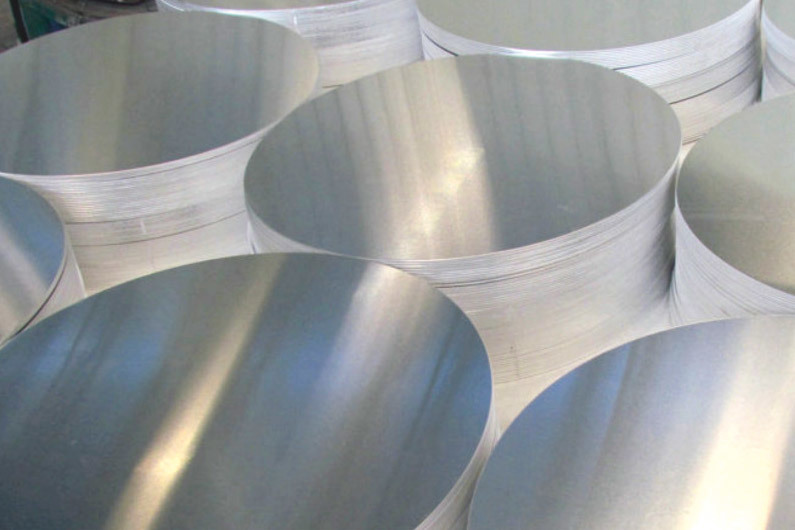
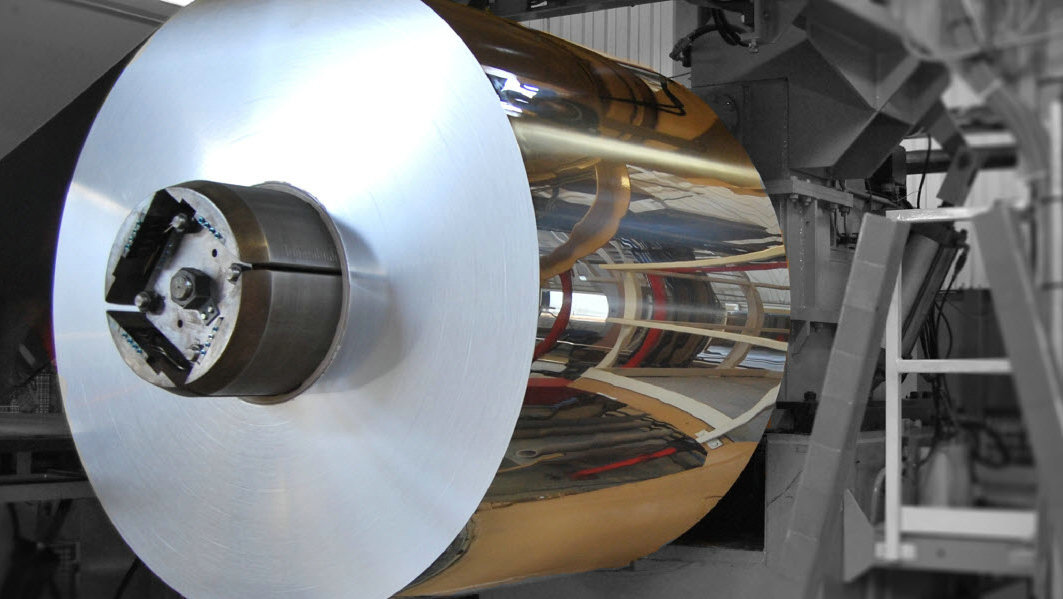
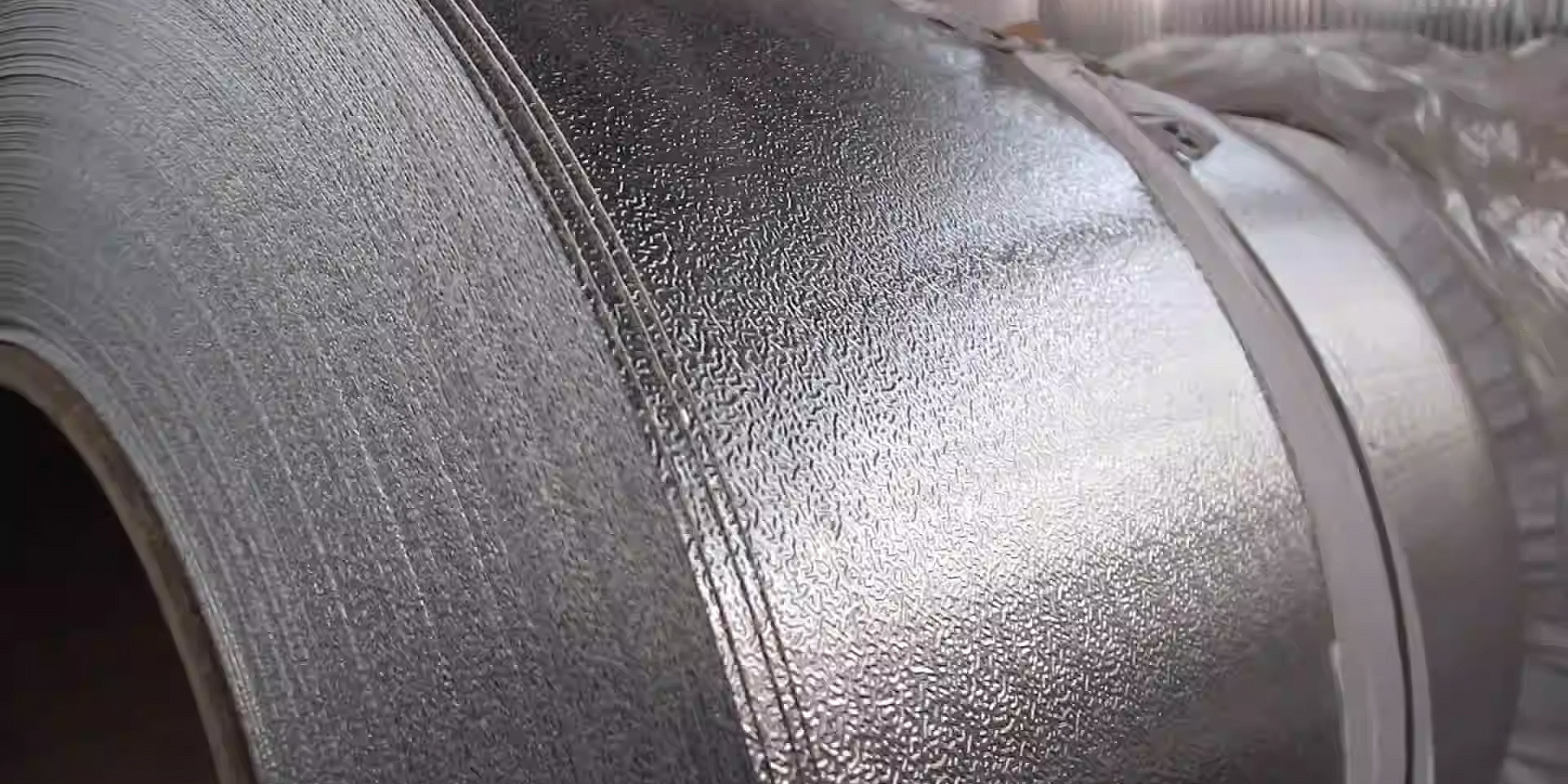
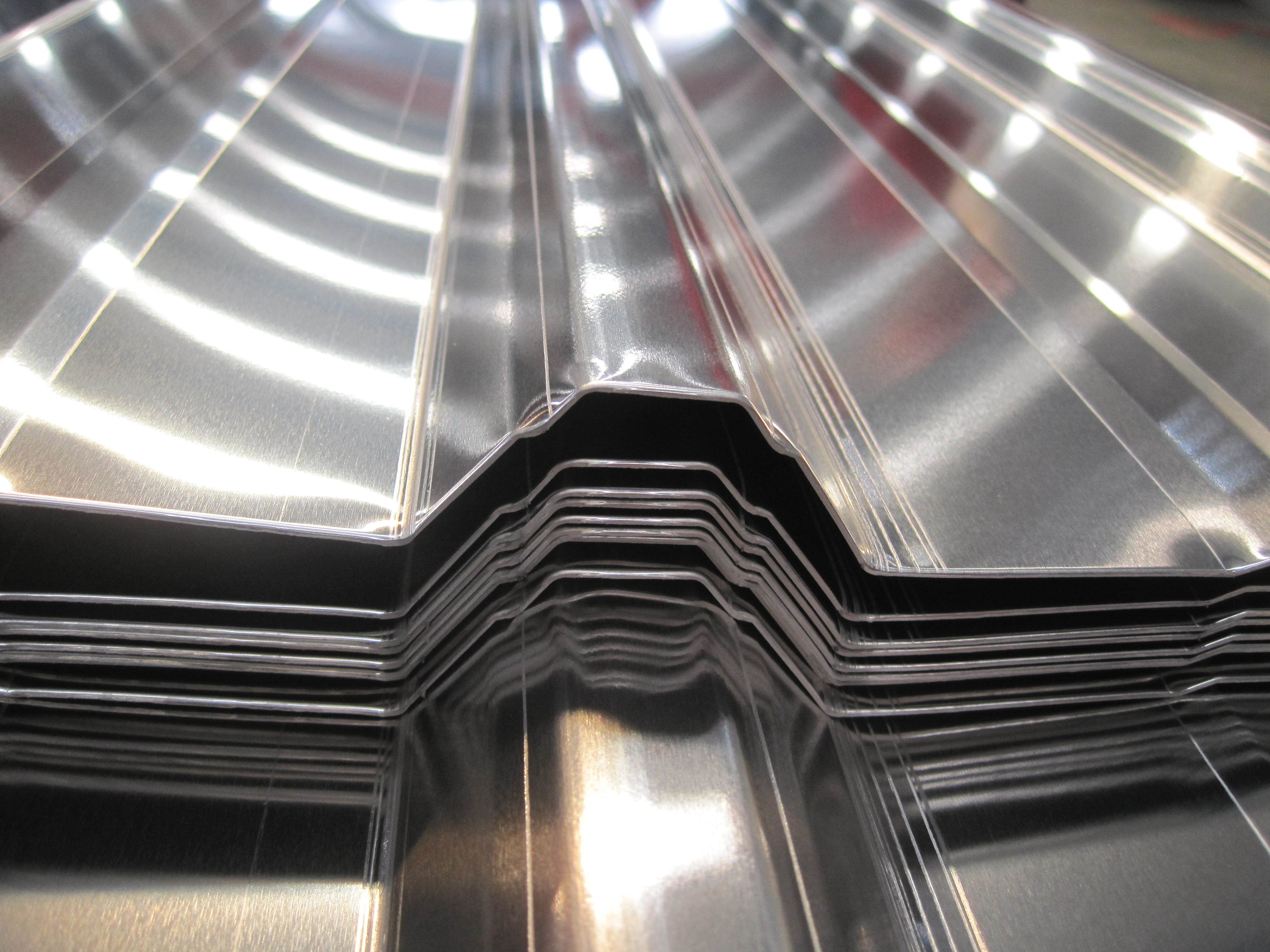
Automotive aluminum plates are high-quality aluminum alloy materials specifically engineered for the automotive industry. These plates are designed to meet the stringent requirements of vehicle manufacturing, offering lightweight, durable, and efficient solutions.
MESSAGE
Overview
Automotive aluminum plate is made of aluminum alloys (mainly 5000, 6000 series) through precision melting, casting, rolling, heat treatment and other processes. It integrates the advantages of lightweight, high strength, corrosion resistance, excellent formability and environmental friendliness, and has become a core material for vehicle lightweight transformation. Compared with traditional steel plates, its density is only 1/3 of steel, which can significantly reduce vehicle weight, thereby improving fuel efficiency, reducing emissions, and enhancing driving performance and safety. Widely used in passenger cars, commercial vehicles and new energy vehicles, it covers body structures, engine components, chassis systems and battery enclosures.
Specification
Alloy: 5052, 5083, 5182, 5754, 6061, etc
Temper: O, H14, H22, H24, H32, H34, H111, H116, H321, T6, etc
Thickness: 0.1mm-400mm
Width: 1000mm-2650mm
Length: Max12000mm
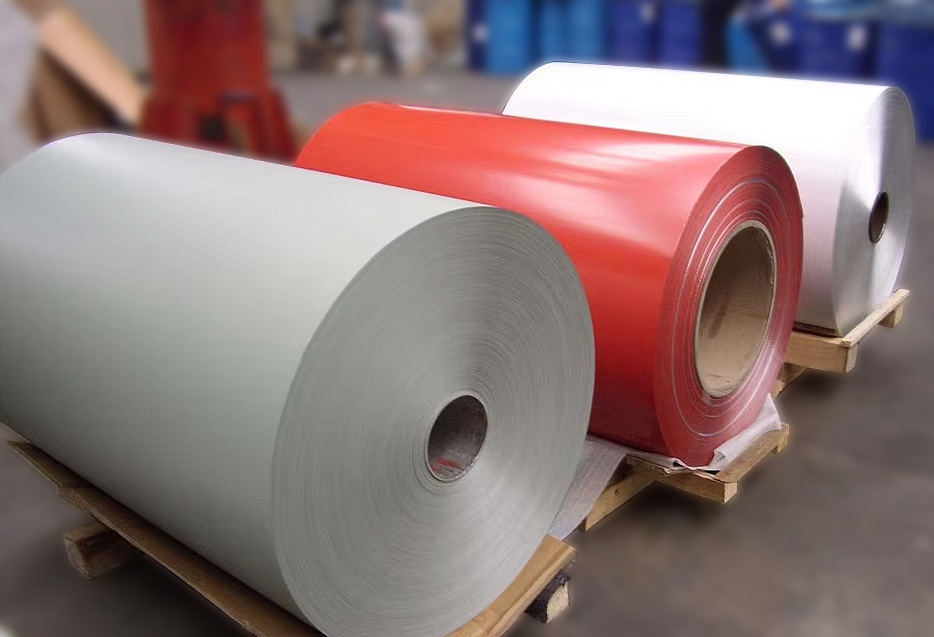
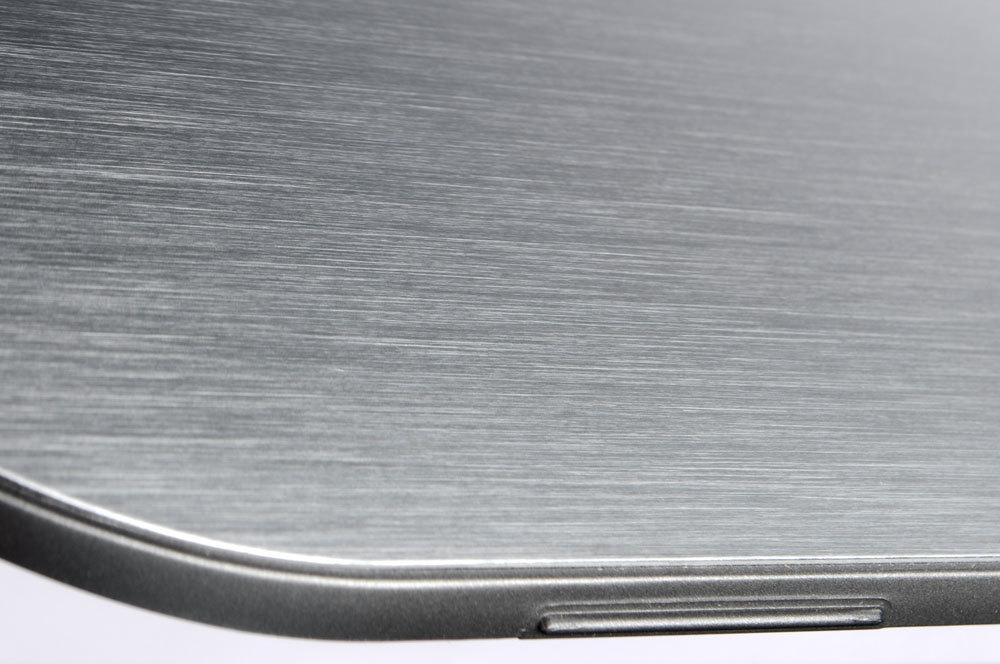
Surface Treatment: Mill finish, Anodizing, Coating
Feature
1.Superior Lightweight Advantage: Density is about 2.7g/cm³, only 1/3 of steel, which can reduce vehicle weight by 10-30% when applied in large quantities, effectively improving fuel efficiency and extending the range of new energy vehicles.
2.Excellent Mechanical Properties: Balances high strength and ductility, meeting the performance requirements of different vehicle components.
3.Strong Corrosion Resistance: The surface naturally forms a dense aluminum oxide protective film, which can resist erosion from moisture, acid rain and even salt spray; special alloys (such as 5754) are suitable for harsh environments like coastal areas.
4.Outstanding Formability: Easy to undergo stamping, bending, extrusion and welding processes, and can be shaped into complex structural parts (such as car doors, hoods) without cracking, improving production efficiency and product yield.
5.Environmental Protection & High Recyclability: Recycling rate is as high as 95%, which conforms to the low-carbon development trend of the automotive industry.
6.Long Service Life: With excellent corrosion resistance and fatigue resistance, it is not easy to rust and age, and the service life is comparable to that of the vehicle body, reducing the later maintenance cost of the vehicle.
Application
1.Automotive Body Components: The core application field, including car doors, hoods, roofs, trunks, fenders and other body panels.
2.Engine & Thermal Management System: Used for manufacturing engine cylinder blocks, cylinder heads, intake manifolds, radiators and oil coolers.
3.Chassis & Suspension System: Applied to shock towers, control arms, springs, wheel rims and other components.
4.New Energy Vehicle Battery Components: Key materials for battery enclosures, battery trays and cooling plates.
5.Special Functional Components: Fuel tanks, and underbody shields.
6.Commercial Vehicle & Special Vehicle Components: Used for body structures, cargo compartments and chassis parts of trucks, buses and engineering vehicles.


MESSAGE
Please tell us what you need and we will get in touch with you as soon as possible!
Note: Items marked with * are mandatory, thank you!

We will continueto provide high quality products and better after-sales service forour customers, and welcome to visit our company and establishlong time business relationship.
Tel: +86 18883135969
E-mail: 1511572034@qq.com
Address: 6-23, Building 2, No. 21, Xishuang Avenue, Shapingba District, Chongqing


